
This story is part of the WHYY News Climate Desk, bringing you news and solutions for our changing region.
From the Poconos to the Jersey Shore to the mouth of the Delaware Bay, what do you want to know about climate change? What would you like us to cover? Get in touch.
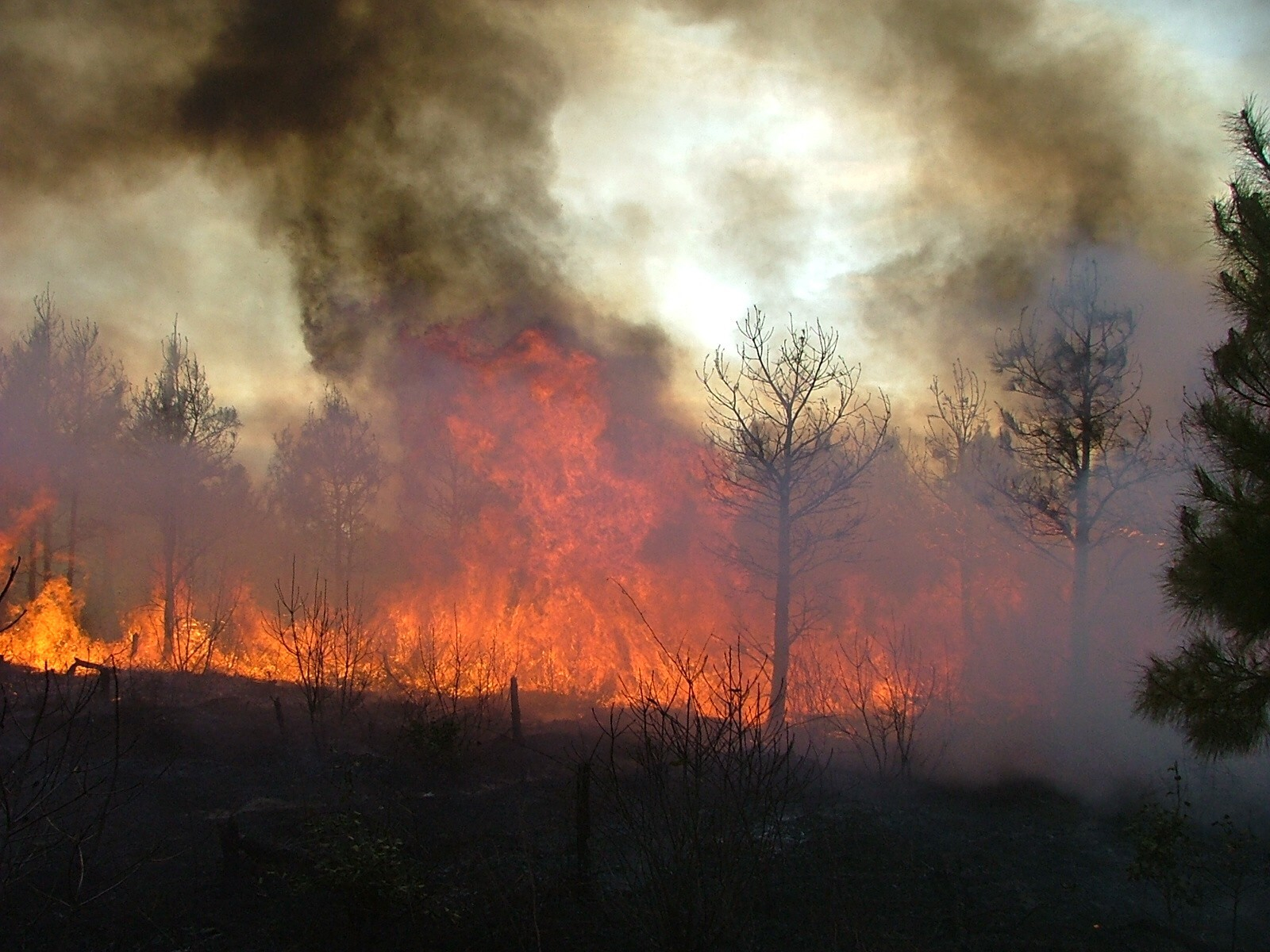
A pregnant person’s exposure to wildfire smoke may increase their child’s risk of developing autism, according to a new Rutgers University study.
The study, published in JAMA Pediatrics, found that children with higher prenatal exposure to fine particles from wildfire smoke were more likely to be later diagnosed with autism.
The risk was greater during second and third trimesters — though brain development continues throughout pregnancy.
“We already know that exposure to wildfire smoke is harmful,” said Stefania Papatheodorou, an OB-GYN and epidemiologist at the Rutgers School of Public Health, who led the study.
“There is very little evidence on how exposure to wildfire smoke during pregnancy could affect neurodevelopment during childhood. That’s why we decided to combine these questions together and examine this association in a large database.”
These fine, tiny particles, known as PM 2.5, are 30 times smaller than the width of human hair, and are easily inhalable. The particles can settle deep in the lungs and enter the bloodstream.
Breathing in particulate matter can cause respiratory and cardiovascular problems, and impact vulnerable populations like children, seniors and people with health conditions such as asthma.
Papatheodorou encourages obstetricians to consider environmental hazards like wildfires and extreme heat when practicing routine prenatal care. She recommends pregnant people limit their time outdoors when air quality is poor, and to use home air purification systems.
“It doesn’t have to be visible for the outside [particulate matter] levels to be harmful,” Papatheodorou said. “So, instead of waiting until they see a big cloud coming, they can always check the air quality on their phones, which will alert them that, for example, the levels are not appropriate for groups that are sensitive.”


