
From Camden and Cherry Hill to Trenton and the Jersey Shore, what about life in New Jersey do you want WHYY News to cover? Let us know.
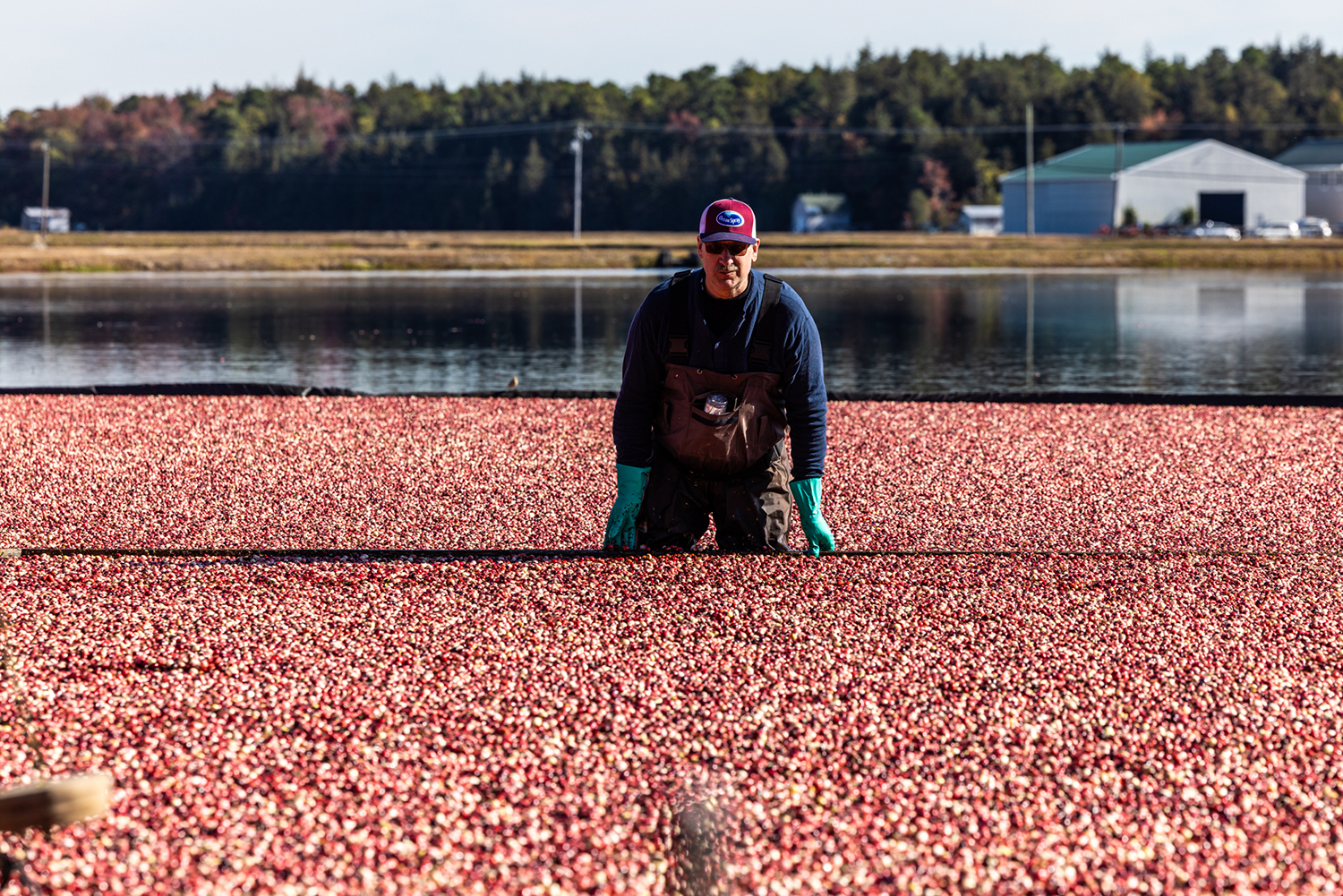
From mid-September to November, South Jersey’s Pine Barrens are ablaze with the ruby-red hues of its cranberry harvest.
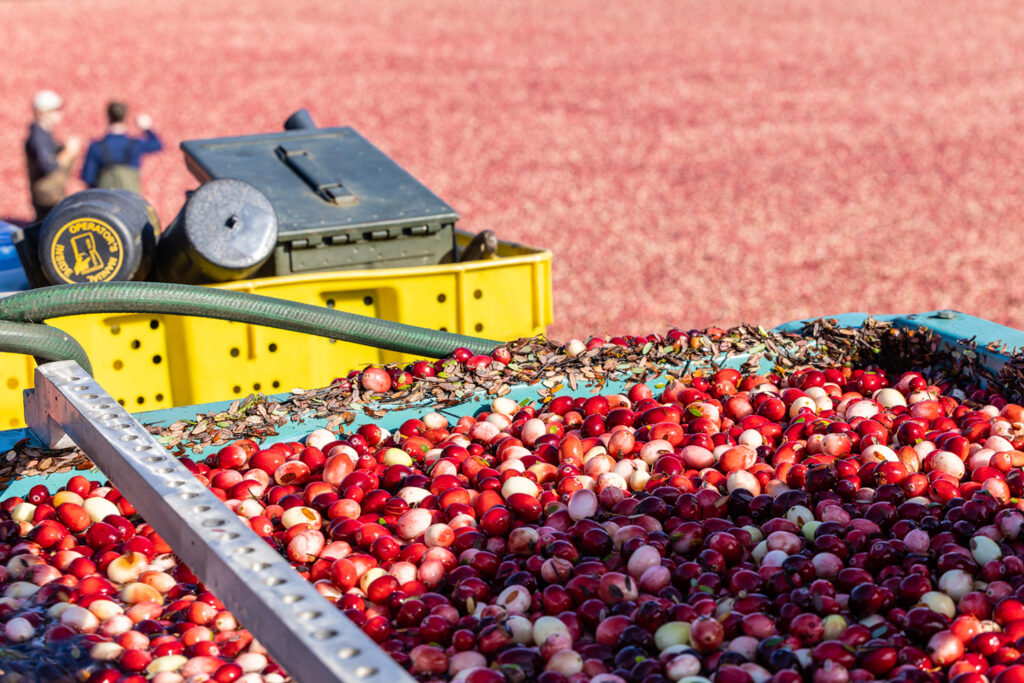
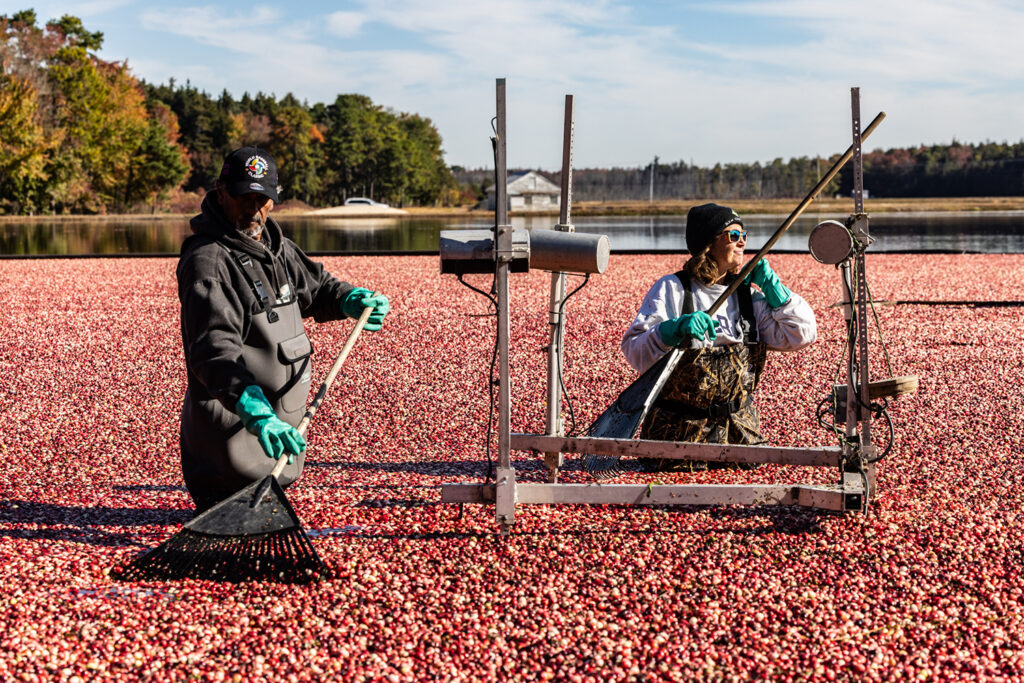
Cranberries grow on shrubby vines in sandy bogs. When harvest season arrives, farmers flood the fields and use specialized machinery to knock the ripe berries loose from their vines. The cranberries float to the surface, where they can be collected more easily.
Workers wade waist-deep in the crimson water, raking the berries toward the mouth of a machine with a conveyor belt that transports the harvest into waiting trucks.
New Jersey produces about $20 million worth of cranberries every year, according to the U.S. Department of Agriculture. Many of the state’s cranberry farms are family-owned and have been operating in the Pine Barrens for generations. But as climate change drives global temperatures higher and weather patterns become less predictable, growers are facing new challenges to a crop that thrives in colder climates.
Because New Jersey is the southernmost region for cranberry farming in the United States, its farmers and researchers are often the first to deal with changes, said Shawn Cutts, a fifth-generation cranberry grower at Cutts Brothers.
Cutts has been working on his family’s farm since 1997. He isn’t old enough to remember the weather of the 1970s and ’80s, but he grew up hearing stories about colder conditions then. In recent decades, he has witnessed rising temperatures and more extreme weather.
Extreme heat can damage cranberries before they are harvested. During the summer, Cutts said, workers carry around meat thermometers in the field, probing berries to check their temperature. If the thermometer reads 108 degrees Fahrenheit or higher, they turn on the sprinklers to cool down the crop.
“When we get hot, dry days in the late summer, the berries can actually cook on the vines and it’ll ruin them,” Cutts said.
Higher temperatures can also create favorable conditions for fruit rot, a fungal disease that can severely reduce yields. Cutts said cranberry growers in colder regions, like Wisconsin and Quebec, do not have the same fruit rot problems growers face in New Jersey.


